
Essential oils have become a daily staple in Australian homes. From supporting wellbeing and relaxation to enhancing cleaning routines and self care rituals, more Australians are choosing natural solutions over synthetic alternatives. As interest grows, certain oils are standing out as clear favourites due to their versatility, quality and ease of use.
This article explores the most popular essential oils in Australia right now, why they are trending, and how to choose high-quality oils that genuinely deliver results. Whether you are new to essential oils or refining your collection, understanding current trends can help you make informed, confident choices.
With the rapid rise in demand, the Australian essential oil market has become crowded. Consumers often feel overwhelmed by choice and unsure which oils are worth investing in.
Many products claim to be natural or pure but contain fillers, synthetic fragrances, or low-grade extracts. This can lead to disappointment, reduced benefits or safety concerns when oils are used incorrectly or sourced poorly.
Australians want essential oils that are effective, affordable and trustworthy without the confusion.
Understanding which oils are most popular and why they are trending helps narrow down the options. Popularity is not just about marketing. It often reflects proven versatility, consistent results and suitability for everyday use.
Right now, Australians are gravitating toward essential oils that offer multiple benefits across wellness, home care and lifestyle.
The most in-demand oils include:
Eucalyptus
A long-standing Australian favourite. Widely used for respiratory support, cleaning and refreshing spaces.
Lavender
Popular for relaxation, sleep support and skincare routines. Lavender remains a top choice for stress relief and emotional balance.
Peppermint
Known for its cooling, energising effect. Used for focus, headaches, digestion support and muscle relief when diluted.
Lemon
Highly valued for natural cleaning, mood lifting and air freshening. Lemon oil is a staple in eco-conscious households.
Tea Tree
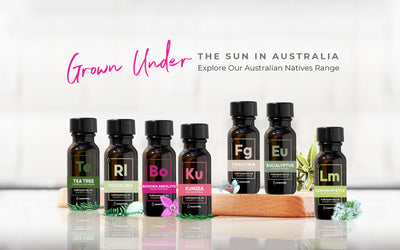
Another Australian native favourite. Sought after for its antibacterial and antifungal properties, commonly used in skincare and cleaning.
These oils form the foundation of many Australian essential oil collections because they are reliable, adaptable and effective.
Search trends, retail data and consumer feedback across Australia consistently show increased demand for essential oils that are simple to use and deliver clear benefits.
Wellbeing professionals, natural therapists, and everyday users continue to recommend oils like eucalyptus, lavender and tea tree due to their long history of use and supporting research.
Customer behaviour also reflects a shift toward fewer but higher-quality oils rather than large collections of rarely used products. This reinforces why these specific oils continue to dominate the Australian market.
Essential oils work by interacting with the body through inhalation or topical application when diluted correctly.
Aromatic use: Diffusing oils influences mood, focus and relaxation by stimulating the olfactory system.
Topical use: Diluted oils can support muscles, skin and overall wellbeing.
Household use: Many oils offer natural antibacterial properties, making them effective alternatives for cleaning and freshening the home.
Choosing the best essential oils in Australia means looking for purity, proper extraction methods, and clear usage guidance. High-quality oils require smaller amounts and provide more consistent results.
Australia has a strong connection to essential oils, particularly native oils like eucalyptus and tea tree. Local consumers value transparency, ethical sourcing and oils that suit the Australian lifestyle.
There is also a growing preference for brands that prioritise quality over hype. Australians are increasingly aware of ingredient lists, sourcing practices and safety standards.
Essential oils that perform well in Australia tend to be those that fit seamlessly into daily routines, whether for busy households, workplaces or self care rituals.